

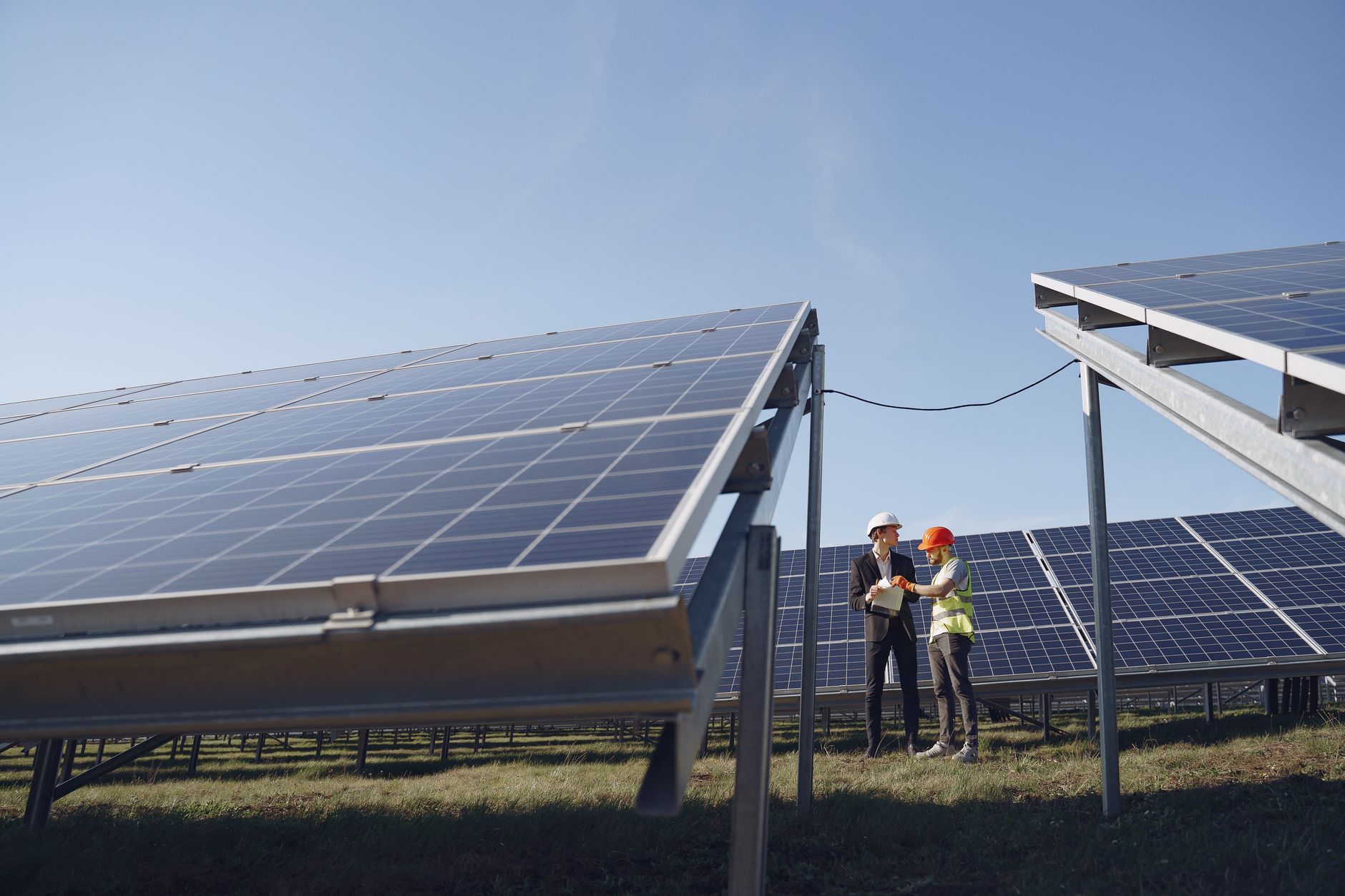
Maharashtra solar project has reached an impressive milestone of 10 MW with an additional 5 MW now commissioned, marking a significant advancement in renewable energy.
Overview of the Maharashtra solar project
The Maharashtra solar project has marked a significant milestone by successfully reaching a capacity of 10 MW. This achievement highlights the project’s commitment to renewable energy and sustainable development in the region. With an additional 5 MW recently commissioned, the project is set to further contribute to Maharashtra’s energy landscape.
Key features of the Maharashtra solar project include:
- Clean Energy Generation: The project harnesses solar power, reducing reliance on fossil fuels.
- Job Creation: The initiative has created numerous employment opportunities in the local community.
- Environmental Impact: By promoting renewable energy, the project aims to decrease greenhouse gas emissions.
- Future Expansion: Plans are in place for further development to increase solar capacity.
Overall, the Maharashtra solar project stands as a testament to the state’s dedication to advancing renewable energy solutions.
Impact on local energy supply
The Maharashtra solar project has significantly impacted the local energy supply, providing a cleaner and more sustainable alternative to traditional energy sources. With the recent achievement of 10 MW capacity and an additional 5 MW commissioned, the project is set to enhance energy availability in the region.
This increase in solar capacity brings several benefits:
- Reduction in carbon emissions: The shift to solar energy reduces reliance on fossil fuels, contributing to a healthier environment.
- Energy independence: By harnessing local solar resources, Maharashtra can decrease its dependence on external energy sources.
- Job creation: The project has generated employment opportunities in solar panel installation and maintenance.
Overall, the Maharashtra solar project not only supports local energy needs but also promotes sustainable development in the region.
Future plans for expansion
The success of the Maharashtra solar project has paved the way for ambitious future plans. Following the commissioning of an additional 5 MW, stakeholders are now focused on expanding capacity further to meet increasing energy demands. The project aims to:
- Increase capacity: Plans are in place to add another 20 MW within the next two years, enhancing the overall output.
- Incorporate innovative technology: Advanced solar technologies will be deployed to maximize efficiency and reduce costs.
- Enhance community engagement: Local communities will be involved in the planning process to ensure that the project benefits everyone.
- Focus on sustainability: Efforts will be made to align with environmental regulations and promote green energy practices.
With these initiatives, the Maharashtra solar project aims to solidify its position as a leader in renewable energy in the region.
Benefits of solar energy in Maharashtra
The Maharashtra solar project has brought significant advantages to the region, enhancing both environmental and economic aspects. Here are some key benefits:
- Renewable Energy Generation: The project contributes to a cleaner energy mix, reducing reliance on fossil fuels.
- Job Creation: The construction and maintenance of solar farms have created numerous local employment opportunities.
- Energy Independence: By harnessing solar power, Maharashtra is moving towards greater energy self-sufficiency.
- Cost-Effective Solutions: Solar energy reduces electricity costs for consumers in the long run.
- Environmental Protection: The project helps in lowering carbon emissions, contributing to a healthier ecosystem.
Overall, the Maharashtra solar project not only supports sustainable development but also paves the way for future advancements in renewable energy.
Challenges faced during development
During the development of the Maharashtra solar project, several challenges were encountered that could have hindered its progress. Key issues included:
- Regulatory hurdles: Navigating local regulations and obtaining necessary permits caused delays in the project timeline.
- Land acquisition: Securing suitable land for solar panel installation was a complex process, often requiring negotiations with multiple stakeholders.
- Financial constraints: Initial funding challenges posed risks, necessitating strategic partnerships and investment from various sources.
- Technical issues: Integrating new technology and ensuring the reliability of solar panels presented unforeseen complications.
Despite these difficulties, the project team remained dedicated, employing innovative solutions to overcome obstacles, ultimately leading to the successful commissioning of the 10 MW capacity.
Community engagement and support
The success of the Maharashtra solar project has been significantly bolstered by community engagement and support. Local residents have played a pivotal role in the initiative, participating in awareness programs and providing feedback on the project’s development.
Key aspects of community involvement include:
- Awareness Campaigns: Educational sessions have informed residents about the benefits of solar energy.
- Job Creation: The project has generated employment opportunities, fostering local economic growth.
- Partnerships: Collaborations with local organizations have strengthened ties and ensured community needs are met.
The positive reception from the community reflects a shared vision of sustainable energy, making the Maharashtra solar project not just a technological success, but also a model for future initiatives in the region.
Comparison with other renewable projects
The Maharashtra solar project has emerged as a benchmark in the realm of renewable energy, particularly when compared to similar initiatives across the country. Notably, projects in states like Gujarat and Rajasthan have seen rapid expansion; however, they often face challenges related to land acquisition and regulatory approval.
In contrast, the Maharashtra solar project has successfully navigated these hurdles, achieving a significant 10 MW capacity with plans for an additional 5 MW. This growth reflects not only efficient project management but also strong local government support.
Furthermore, while some renewable ventures heavily rely on large-scale solar farms, the Maharashtra initiative has fostered a community-centric approach, integrating smaller installations that benefit local consumers directly.
Such comparisons highlight the potential for the Maharashtra solar project to set a precedent for future renewable energy developments in India.
Government policies supporting solar energy
The government has implemented several policies that significantly support the growth of solar energy initiatives, including the Maharashtra solar project. These policies aim to create a conducive environment for the development of renewable energy sources, particularly solar power.
Key government initiatives include:
- Incentives and Subsidies: Financial support is provided to both developers and consumers, making investments in solar energy more attractive.
- Regulatory Framework: Streamlined regulations help facilitate quicker project approvals and implementation.
- Net Metering Policies: This allows consumers to sell excess energy back to the grid, promoting the adoption of solar technologies.
- Research and Development: Increased funding for R&D encourages innovation in solar technology.
These supportive measures have been pivotal in enabling the Maharashtra solar project to achieve its current success and pave the way for future growth.
Photo by Gustavo Fring on Pexels
Sources
Related stories
- Infrastructure projects Andhra Pradesh: Worth Investing in Proven Growth
- Shalimar Paints Titan X16: The Best Choice for Homeowners
- PM Surya Ghar portal: Easy access to Delhi’s new services