

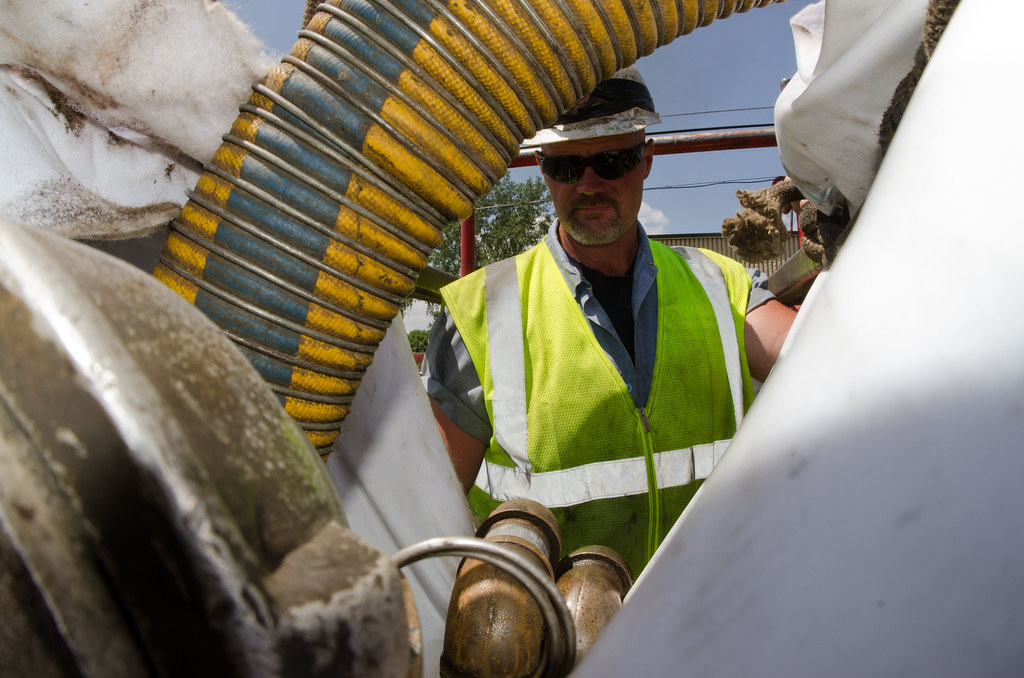
The sewer rehabilitation project has gained NDMC approval, securing a significant ₹66 crore investment for the initiative. This project aims to enhance urban infrastructure and improve sanitation.
Overview of the Sewer Rehabilitation Project
The recent approval of the ₹66 crore sewer rehabilitation project by the New Delhi Municipal Council (NDMC) marks a significant step towards improving the city’s infrastructure. This project, undertaken by a unit of Welspun Enterprises, aims to address the urgent need for effective sewer management in the area.
The sewer rehabilitation project is designed to enhance the efficiency of the existing sewer system, which has been struggling with issues such as blockages and leaks. The initiative is expected to not only improve sanitation but also reduce the risk of flooding during the monsoon season, which has plagued many neighborhoods in the past.
Key objectives of the project include:
- Upgrading Infrastructure: Replacing aging pipes and other components to ensure a more reliable sewer system.
- Reducing Environmental Impact: Minimizing the leakage of untreated sewage into local water bodies, which can harm ecosystems.
- Enhancing Public Health: Improving sanitation standards to protect residents from health hazards associated with poor sewage management.
- Increasing Capacity: Expanding the system to accommodate future growth and urban development.
This sewer rehabilitation project is not just a financial investment; it represents a commitment to building a cleaner, safer, and more sustainable urban environment for residents of New Delhi.
Financial Implications of the NDMC Approval
The recent approval by the North Delhi Municipal Corporation (NDMC) for the ₹66 crore sewer rehabilitation project has raised questions about its financial implications. This significant investment aims to address the aging sewer infrastructure, which has long been a challenge for the region.
Supporters of the project argue that the initial outlay is justified, considering the long-term benefits it promises. These benefits include:
- Improved sanitation: Upgrading the sewer system is expected to lead to better waste management, reducing health risks associated with sewage overflow.
- Enhanced property values: A reliable sewer system can make neighborhoods more attractive to potential buyers, potentially increasing property values.
- Economic growth: A modernized sewer infrastructure can stimulate local businesses and attract new investments, contributing to overall economic development.
However, critics point to the hefty price tag and question whether the funds could be allocated more effectively elsewhere. They emphasize the importance of transparency and accountability in the execution of such projects, ensuring that taxpayer money is utilized wisely.
Ultimately, the success of the sewer rehabilitation project will depend not only on its implementation but also on its ability to deliver tangible results that justify the financial commitment made by the NDMC and its stakeholders.
Impact on Urban Infrastructure
The recently approved sewer rehabilitation project by Welspun Enterprises is poised to have significant impacts on urban infrastructure in the region. By effectively addressing the aging sewer systems, the project aims to enhance the overall functionality and reliability of the city’s wastewater management.
One of the primary benefits of this sewer rehabilitation project is the reduction of infrastructure failures, which can lead to costly repairs and environmental hazards. With a more robust sewer system, the risk of blockages and overflows is minimized, ensuring cleaner streets and less pollution in nearby water bodies.
Additionally, the project is expected to improve public health by reducing the likelihood of sewage-related illnesses that can arise from faulty sanitation systems. This is particularly crucial in densely populated urban areas where the spread of diseases can occur rapidly.
Furthermore, the rehabilitation efforts will create jobs during the construction phase, contributing to local economic growth. The upgrades are anticipated to bolster property values in the vicinity, as improved infrastructure often attracts new residents and businesses.
In conclusion, the sewer rehabilitation project represents a strategic investment in the city’s future. By prioritizing infrastructure renewal, the initiative not only addresses immediate needs but also sets the groundwork for sustainable urban development.
Community Benefits of the Project
The sewer rehabilitation project is poised to deliver significant benefits to the community, enhancing the quality of life for residents. By addressing persistent issues with the aging sewage system, the project aims to improve sanitation and reduce the risk of health hazards associated with sewage overflow.
Some of the key community benefits include:
- Enhanced Public Health: With upgraded sewage infrastructure, the chances of waterborne diseases will decrease, leading to a healthier population.
- Environmental Protection: The project will help prevent sewage leaks into local water bodies, protecting ecosystems and ensuring cleaner waterways.
- Improved Property Values: A reliable sewer system can increase property values in the area, making it a more attractive location for potential homebuyers and investors.
- Job Creation: The project is expected to create various employment opportunities during the construction phase, benefiting local workers and businesses.
- Long-term Cost Savings: By investing in a modern sewer system now, the community can avoid more costly repairs and disruptions in the future, leading to more sustainable urban living.
In conclusion, the sewer rehabilitation project not only addresses immediate infrastructure needs but also lays the groundwork for a healthier, more vibrant community, making it a worthwhile investment for both current and future residents.
Timeline for Project Completion
The timeline for the completion of the sewer rehabilitation project has been a topic of significant interest among local residents and stakeholders. According to the latest updates from the NDMC, the project is set to commence in early 2024, with a projected duration of approximately 18 months.
The phases of the project are delineated as follows:
- Phase 1: Initial Assessments and Planning – This phase will involve detailed surveys and assessments of existing sewer systems, which are expected to take around three months.
- Phase 2: Construction and Rehabilitation – Following the assessments, construction work will take place, focusing on replacing outdated infrastructure. This phase is anticipated to last about 12 months.
- Phase 3: Testing and Finalization – After construction, extensive testing of the new systems will be conducted to ensure functionality and compliance with safety standards. This phase will be completed within three months.
The expected completion date for the sewer rehabilitation project is mid-2025. Throughout the duration of the project, there will be regular updates to the community regarding progress and any potential disruptions. This proactive communication strategy aims to keep residents informed and engaged during the rehabilitation process, ensuring that the benefits of the project can be realized as quickly as possible.
By USDAgov via Openverse
Sources
You might also like
Philippines rental yields show Proven growth in Manila · Hotel Mahadev Villa expansion: Is It the Best Move for Jaipur? · Stronger Rental Yields: Proven Insights Amid Housing Shortage