

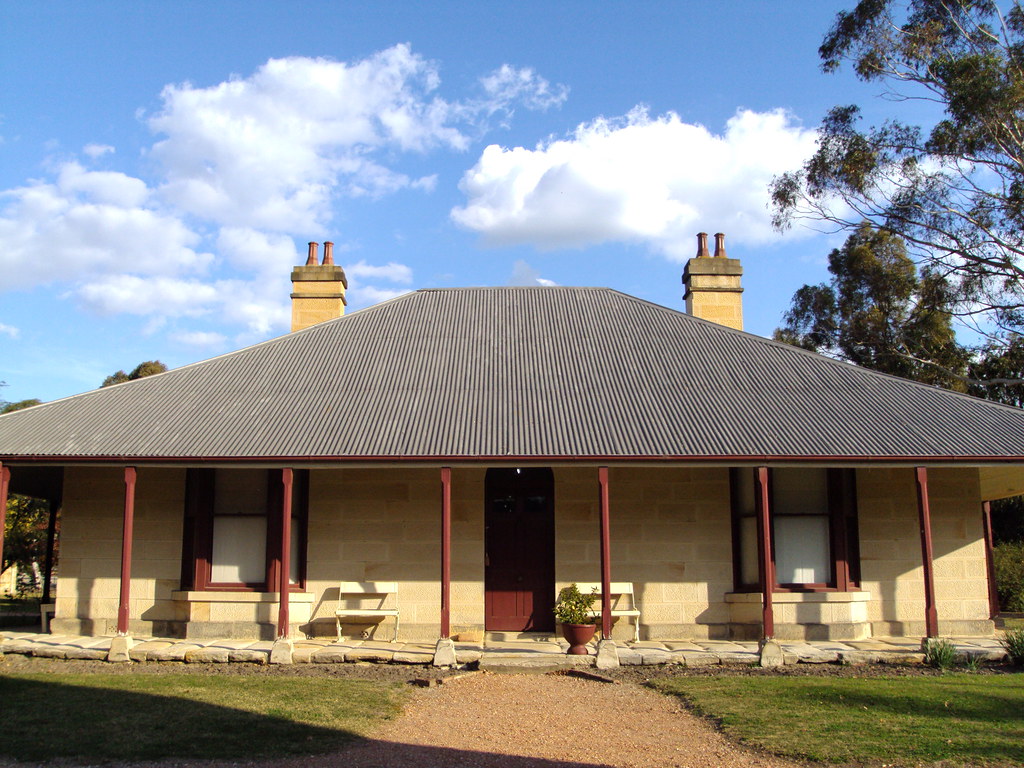
Australian house prices have experienced a significant decline, marking the steepest quarterly fall in recent history. This downturn affects every capital city, raising concerns among homeowners and investors alike.
Current Trends in Australian House Prices
The latest reports indicate a significant downturn in the Australian housing market, with house prices experiencing their worst quarterly decline yet. This trend is impacting every capital city across the nation, leading analysts to question the future trajectory of the real estate sector.
Several factors contribute to this decline, including rising interest rates, ongoing inflation, and a general decrease in buyer confidence. As a result, many potential homebuyers are opting to wait on the sidelines, hoping for a more favorable market environment before making a purchase.
In examining the current trends in Australian house prices, it is essential to note the following key points:
- Interest Rates: The Reserve Bank of Australia has raised rates multiple times, making borrowing more expensive and impacting affordability.
- Buyer Sentiment: With economic uncertainties, many buyers are hesitant, resulting in decreased demand.
- Regional Variations: Although all capital cities are affected, some regions are seeing sharper declines than others.
- Rental Market Pressure: As house prices fall, rental demand remains high, leading to increased rents in many areas.
As the market continues to adjust to these changes, stakeholders are keeping a close eye on indicators that might signal a recovery in Australian house prices.
Factors Contributing to the Decline
The recent decline in Australian house prices can be attributed to several factors that have converged to create a challenging environment for the real estate market. Understanding these factors is crucial for both potential buyers and investors.
- Rising Interest Rates: The Reserve Bank of Australia has implemented a series of interest rate hikes aimed at curbing inflation. These increases have raised borrowing costs, making mortgages less affordable for many potential buyers.
- Decreased Consumer Confidence: As economic uncertainty looms, consumer confidence has taken a hit. Many are hesitant to make significant financial commitments, leading to a slowdown in housing demand.
- Supply Chain Issues: Ongoing disruptions in supply chains have impacted construction costs and timelines, resulting in fewer new housing projects being completed. This has compounded the issue of housing availability.
- Increased Living Costs: With the cost of living rising, households are feeling the pinch. This has led to prioritizing essential expenses over property purchases, further contributing to the decline in demand for housing.
- Market Correction: After a prolonged period of rapid growth, many analysts believe that the market is undergoing a natural correction. The rapid increase in house prices over the past few years has made it unsustainable.
These elements combined have led to the worst quarterly decline in Australian house prices recorded, impacting every capital city across the nation.
Impact on Homeowners and Investors
The recent downturn in Australian house prices has left many homeowners and investors grappling with uncertainty. The steep decline, marked as the worst quarterly fall yet, has significant implications for those who have invested heavily in real estate. Homeowners are facing potential negative equity, where the value of their properties drops below the amount owed on their mortgages.
Moreover, the decline affects investor confidence. Many who had anticipated steady growth in the housing market now find themselves re-evaluating their portfolios. Real estate experts suggest that the ripple effects could lead to:
- Increased mortgage stress: Homeowners may struggle to meet their repayments as property values decrease.
- Higher rental demand: Some investors might shift focus from buying to renting, leading to increased competition in the rental market.
- Potential market correction: A significant decline in house prices could prompt a more substantial correction in the market as buyers wait for more favorable conditions.
As the situation continues to evolve, many are left wondering how long the impact of this decline will last and what it means for the future of Australian house prices.
Future Predictions for the Housing Market
As the Australian housing market grapples with significant challenges, experts are cautiously evaluating future predictions for Australian house prices. With the recent downturn marking the worst quarterly decline yet, many analysts are focusing on potential recovery timelines and market dynamics.
Several key factors are expected to influence future trends:
- Interest Rates: Continued adjustments to interest rates by the Reserve Bank of Australia may lead to further fluctuations in housing demand, affecting prices in both urban and regional markets.
- Supply and Demand: A potential increase in housing supply, paired with decreased buyer confidence, could exacerbate the downward pressure on prices, particularly in oversaturated areas.
- Government Policies: Upcoming government initiatives aimed at stimulating the housing market, such as incentives for first-time buyers, may provide some relief and foster a more favorable environment for price stabilization.
- Economic Recovery: The pace of Australia’s economic recovery post-pandemic will play a crucial role in determining consumer sentiment and purchasing power, ultimately impacting Australian house prices.
While some analysts remain optimistic about a gradual rebound, others caution that the current trends may linger longer than anticipated, necessitating a careful watch on market indicators in the coming quarters.
Government Response to Falling Prices
The recent decline in Australian house prices has prompted various responses from the government aimed at stabilizing the housing market. As reports indicate the steepest quarterly fall in house prices, officials are considering measures to alleviate the pressures faced by homeowners and potential buyers.
In light of the ongoing situation, the government is focusing on several key strategies:
- Interest Rate Adjustments: The Reserve Bank of Australia is under pressure to reconsider its current interest rate policy. Lowering rates could help make borrowing more affordable, potentially stimulating demand in the housing market.
- Increased Housing Supply: To counteract rising prices from previous years, the government is exploring initiatives to boost the housing supply. This includes funding for new housing developments and easing regulations to expedite construction.
- First Home Buyer Assistance: Programs aimed at first-time homebuyers are being reviewed. Subsidies or grants could provide essential support for those struggling to enter the market during this downturn.
- Rental Market Support: With many investors retreating due to falling house prices, the government is considering measures to maintain rental affordability, ensuring that those unable to purchase homes are not left in a precarious situation.
As the government navigates the complexities of the housing market, its actions will be crucial in determining how quickly Australian house prices stabilize.
By denisbin via Openverse
Read the original
- Is the Oura Ring 5 the Best Smart Wearable of 2023?
- Staff housing project: Encorp secures RM17m deal with Felda
- Serenia Wellness Residences: The Best Real Estate Investment