

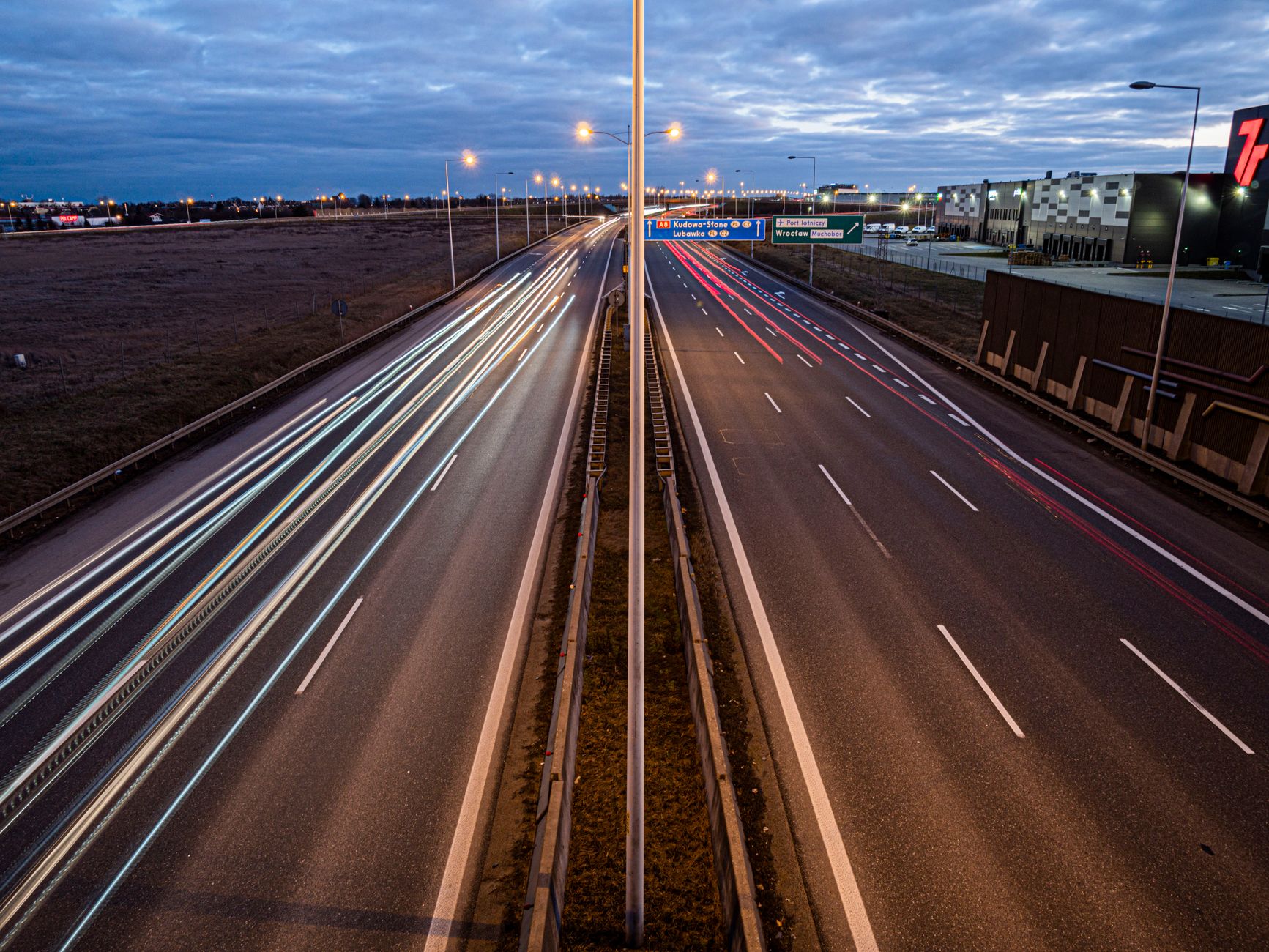
highway infrastructure future is a priority as Union Minister Shri Nitin Gadkari inaugurates Chintan Shivir 2026, outlining a strategic agenda.
Introduction to Chintan Shivir 2026
The recent inauguration of Chintan Shivir 2026 by Union Minister Shri Nitin Gadkari marks a significant step towards shaping the future of highway infrastructure in India. This initiative aims to create a comprehensive agenda that integrates modern technology and sustainability into the nation’s transportation framework.
During the event, Gadkari emphasized the importance of developing highway infrastructure that not only meets current demands but is also future-ready. He outlined several key objectives that will guide the planning and execution of upcoming projects:
- Technological Integration: Emphasizing the use of smart technologies, such as AI and IoT, to enhance road safety and efficiency.
- Sustainability: Prioritizing eco-friendly materials and practices to minimize environmental impact during construction and maintenance.
- Public Engagement: Encouraging community involvement in infrastructure planning to ensure that the needs of the public are met.
- Investment and Funding: Securing investments from both government and private sectors to support ambitious highway projects.
With these objectives, the Chintan Shivir 2026 sets a clear roadmap for the future of highway infrastructure in India. The focus is not only on constructing roads but also on building a resilient and smart transportation network that can adapt to the evolving needs of society.
Goals for Highway Infrastructure
The future of highway infrastructure is a critical topic as India prepares for Chintan Shivir 2026. During this significant gathering, Union Minister Shri Nitin Gadkari outlined several ambitious goals aimed at transforming roadways to meet modern demands. These goals emphasize innovation, sustainability, and efficiency in highway construction and maintenance.
Some of the key objectives include:
- Integration of Smart Technologies: Implementing advanced technologies such as IoT and AI to enhance traffic management and improve safety on highways.
- Environmentally Friendly Practices: Prioritizing the use of eco-friendly materials and practices to minimize the ecological impact of highway projects.
- Enhanced Connectivity: Ensuring that highways are designed to improve connections between rural and urban areas, thereby promoting economic growth.
- Focus on Maintenance: Developing a robust maintenance plan that utilizes data analytics for timely repairs and upgrades to existing infrastructure.
- Public-Private Partnerships: Encouraging collaboration between the government and private sector to fund and implement innovative highway projects.
Through these strategic goals, the agenda for the future of highway infrastructure aims to create a network that not only meets current needs but is also adaptable to future challenges, ensuring safe and efficient travel for all.
Key Initiatives Announced
During the inauguration of Chintan Shivir 2026, Union Minister Shri Nitin Gadkari outlined several key initiatives that will shape the future of highway infrastructure in India. These initiatives are designed to enhance connectivity, promote sustainability, and leverage technology to create a more efficient transportation network.
Among the prominent initiatives announced are:
- Smart Highway Systems: The adoption of advanced technologies such as artificial intelligence and IoT to monitor traffic flow and enhance safety measures.
- Green Corridors: Development of environmentally friendly highways that incorporate eco-sensitive designs and promote the use of renewable energy sources.
- Integrated Road Safety Plans: Implementation of comprehensive safety protocols aimed at reducing accidents and fatalities on national highways.
- Public-Private Partnerships: Encouraging collaboration with private sectors to invest in and maintain highway infrastructure, ensuring long-term sustainability.
- Smart Tolling Solutions: Introduction of automated toll collection systems to eliminate congestion and improve the efficiency of toll roads.
These initiatives signify a commitment to not only improving the existing highway infrastructure but also ensuring that the future of highway infrastructure is smart, efficient, and sustainable. By focusing on these areas, the government aims to transform the landscape of transportation, ultimately benefiting all citizens and contributing to economic growth.
Impact on Road Safety
As the Chintan Shivir 2026 sets a progressive agenda for highway infrastructure, one of the pivotal areas of focus is the impact on road safety. The Union Minister, Shri Nitin Gadkari, emphasized that enhancing safety measures will be integral to future developments in highway systems.
With the integration of advanced technologies, the objective is to create safer travel environments for all road users. Key measures discussed include:
- Smart Traffic Management Systems: Implementation of real-time monitoring and control systems to manage traffic flow and reduce congestion.
- Intelligent Transportation Solutions: Utilization of AI and data analytics for predictive maintenance of highways, which can prevent accidents caused by road deterioration.
- Enhanced Signage: Installation of digital signboards that provide real-time information regarding road conditions, hazards, and traffic updates.
- Pedestrian and Cyclist Safety: Designated lanes and enhanced crossings to protect vulnerable road users, aligning with a future-forward approach to highway infrastructure.
The emphasis on these innovative strategies aims to significantly lower accident rates and foster a culture of safety on the roads. By prioritizing safety alongside development, the highway infrastructure future looks promising, contributing to a more secure environment for all travelers.
Sustainable Development Plans
The sustainable development plans discussed during the Chintan Shivir 2026 signify a transformative approach toward the future of highway infrastructure. Union Minister Shri Nitin Gadkari emphasized the importance of integrating eco-friendly practices into highway construction and maintenance, ensuring that progress does not come at the expense of the environment.
Key components of the sustainable development agenda include:
- Green Materials: The use of recycled materials and innovative technologies to reduce the carbon footprint of highway projects.
- Energy Efficiency: Implementing energy-efficient lighting and traffic management systems to minimize energy consumption on highways.
- Biodiversity Conservation: Ensuring that highway projects incorporate measures to protect local wildlife and ecosystems during construction.
- Public Transport Integration: Promoting the development of multi-modal transport hubs that encourage the use of public transportation and reduce vehicular emissions.
- Smart Technologies: Utilizing smart sensors and data analytics to monitor traffic flow and optimize road usage, enhancing efficiency while reducing congestion.
These initiatives are crucial for creating a resilient highway infrastructure that not only meets the needs of today but also adapts to the challenges of tomorrow. By prioritizing sustainable development, the government aims to ensure that the future of highway infrastructure aligns with both economic growth and environmental stewardship.
Future-Ready Infrastructure
The future of highway infrastructure is set to take a transformative leap as Union Minister Shri Nitin Gadkari emphasizes a forward-thinking agenda during the inauguration of Chintan Shivir 2026. This initiative aims to revamp and modernize the existing frameworks to ensure they are equipped for coming challenges and technological advancements.
Key components of the future-ready infrastructure include:
- Smart Technologies: Integration of AI and IoT for real-time traffic management, enhancing commuter safety and efficiency.
- Green Solutions: Adoption of sustainable materials and eco-friendly designs to minimize environmental impact.
- Modular Construction: Utilizing prefabricated components to accelerate project timelines and reduce costs.
- Data-Driven Decisions: Implementing advanced analytics to monitor infrastructure health and predict maintenance needs.
The government is committed to investing in research and development to explore innovative approaches that align with the goal of building future-ready highway infrastructure. This includes collaborations with private sectors and academia to foster cutting-edge solutions that can be implemented nationwide.
As these advancements unfold, they are expected to not only enhance road safety but also significantly improve the overall travel experience for citizens. The ambitious roadmap laid out during Chintan Shivir 2026 sets the stage for a new era in highway infrastructure, promising a smarter and more efficient transportation network for years to come.
Government’s Role in Infrastructure
The government plays a crucial role in shaping the future of highway infrastructure, as highlighted during the recent Chintan Shivir 2026. Union Minister Shri Nitin Gadkari emphasized the importance of a proactive approach to ensure that India’s highway systems remain efficient, safe, and sustainable.
To achieve the ambitious goals set for highway infrastructure, the government plans to implement several key strategies, including:
- Investment in Technology: The integration of advanced technologies such as AI, IoT, and data analytics will enhance traffic management and maintenance.
- Public-Private Partnerships: Collaborating with private sectors to leverage investments and expertise, ensuring timely project completion.
- Focus on Environmental Sustainability: Promoting green technologies and eco-friendly materials in construction to minimize the ecological impact.
- Enhanced Safety Measures: Implementing smart surveillance systems to monitor road conditions and improve safety protocols.
These initiatives reflect a commitment to not only improve highway infrastructure but also to prepare for the challenges of the future. The government’s agenda for 2026 is not just about building roads, but about creating a comprehensive transportation ecosystem that prioritizes innovation, sustainability, and public safety.
Conclusion and Next Steps
In conclusion, the discussions at Chintan Shivir 2026 have set a clear roadmap for the future of highway infrastructure in India. With a strong emphasis on innovation, sustainability, and technological advancement, the initiatives announced have the potential to transform the highways into smart corridors that enhance connectivity and safety.
As we move forward, several key steps must be taken to realize these goals:
- Implementation of Smart Technologies: The integration of smart traffic management systems and real-time monitoring will be crucial in ensuring efficiency on our highways.
- Investment in Sustainable Materials: The use of eco-friendly and durable materials should be prioritized to reduce the environmental impact of highway construction.
- Public-Private Partnerships: Engaging the private sector will help in mobilizing resources and expertise, which are essential for developing future-ready infrastructure.
- Enhanced Safety Measures: Continuous improvements in road safety protocols must be a priority to protect users and reduce accident rates.
- Community Engagement: Involving local communities in the planning process will ensure that the infrastructure meets the needs of all stakeholders.
The future of highway infrastructure is bright, and with a smart agenda in place, India is poised to lead the way in modern transportation solutions. Collective efforts will be required to turn these visions into reality, ensuring that we build roads that are not only efficient but also sustainable and safe for generations to come.
The highway infrastructure future is poised for transformative changes that prioritize sustainability and efficiency. By embracing innovative technologies, we can ensure that the highway infrastructure future meets the demands of a growing population and evolving transportation needs.
Photo by SHOX ART on Pexels
Sources
You might also like
Is the Blind Dolphin Resort the Best New Hotel in Punjab? · KZN North Coast property: Is it the best investment choice? · nRF71 series chips: Best proven tech for smart homes