

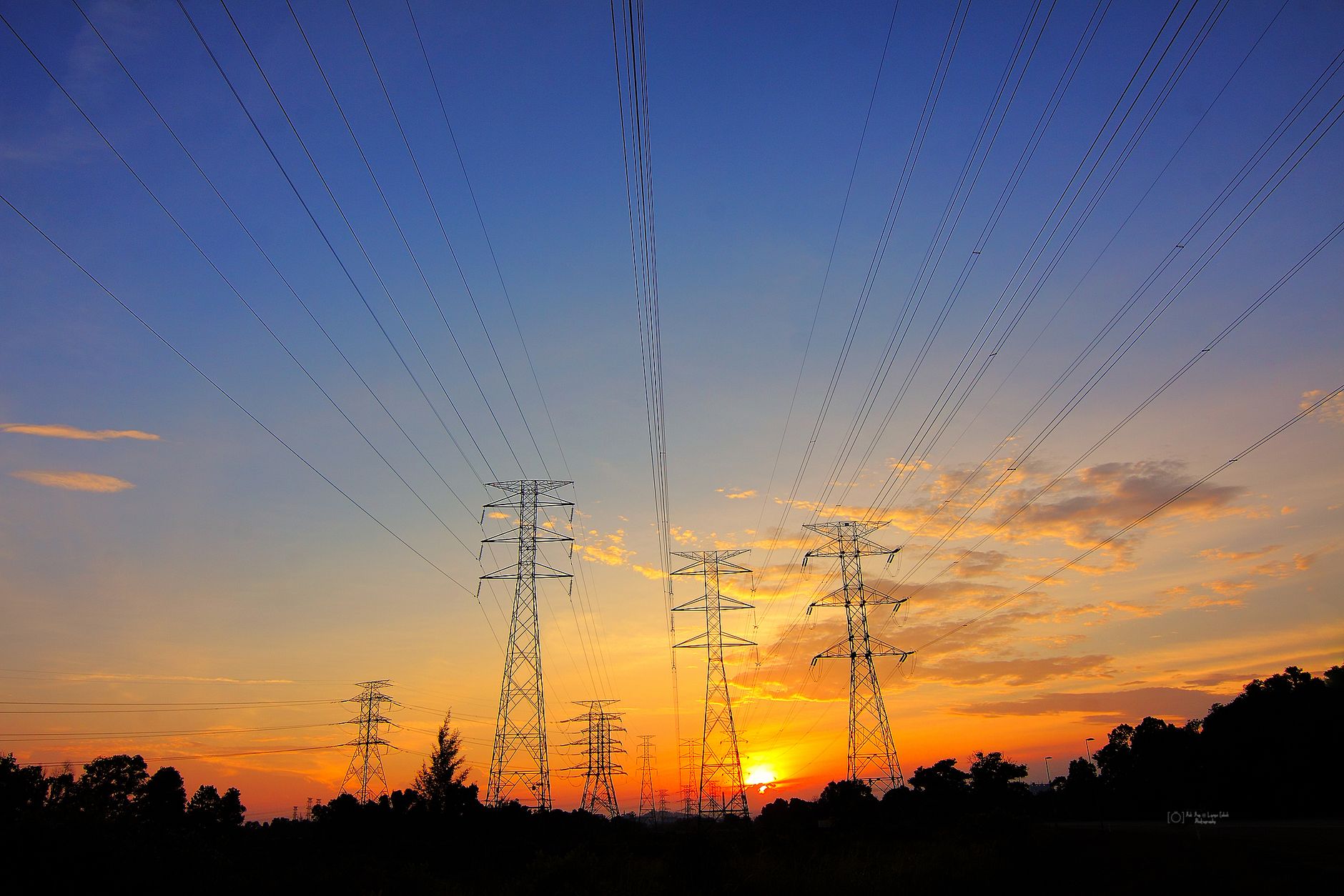
The GE Vernova transmission project is set to enhance India’s energy infrastructure, providing significant advancements in efficiency and sustainability.
Overview of the GE Vernova Transmission Project
The GE Vernova transmission project represents a significant advancement in India’s energy infrastructure, designed to enhance the efficiency and reliability of electricity transmission across the nation. This project is set to facilitate the transmission of 6 gigawatts (GW) of power, addressing the growing energy demands of both urban and rural areas.
GE Vernova’s innovative approach emphasizes sustainable energy solutions, focusing on renewable sources that contribute to a greener environment. By leveraging cutting-edge technology, the project aims to minimize energy losses during transmission, ensuring that more power reaches consumers while reducing the carbon footprint.
- Enhanced Capacity: The project will improve the capacity of the existing grid, allowing for better management of electricity flow.
- Economic Growth: By ensuring a stable power supply, the project is expected to boost industrial growth and attract investments in various sectors.
- Job Creation: The implementation of the GE Vernova transmission project will create numerous job opportunities in engineering, construction, and maintenance.
- Technological Integration: Advanced monitoring systems will be integrated to ensure optimal performance and reliability of the transmission network.
Overall, the GE Vernova transmission project is poised to play a crucial role in shaping India’s energy landscape, making it a pivotal step towards achieving energy security and sustainability.
Key Benefits for India’s Energy Sector
The GE Vernova transmission project is set to significantly enhance India’s energy sector through a variety of proven benefits. By modernizing the transmission infrastructure, the project aims to improve the overall efficiency and reliability of electricity distribution across the country.
One of the primary advantages of the GE Vernova transmission project is its capacity to support renewable energy integration. As India continues to expand its renewable energy portfolio, the project will facilitate the seamless transmission of power generated from sources such as solar and wind.
In addition, the project is expected to:
- Reduce Transmission Losses: Improved technology will lead to lower energy losses during transmission, ensuring that more electricity reaches consumers.
- Enhance Grid Stability: With advanced monitoring and control systems, the transmission network will be more resilient to fluctuations in supply and demand.
- Promote Economic Growth: By ensuring a reliable power supply, the project will support industrial development and create job opportunities across various sectors.
- Encourage Investment: A robust transmission network will attract further investments in the energy sector, fostering innovation and competition.
Overall, the GE Vernova transmission project represents a significant step forward in modernizing India’s energy infrastructure and achieving sustainable development goals.
Technological Innovations in Transmission
The GE Vernova transmission project is set to revolutionize the way energy is transmitted across India, introducing several technological innovations that promise increased efficiency and reliability. This initiative incorporates advanced digital solutions that enhance grid management and operational performance.
One of the significant innovations is the use of smart grid technology, which allows for real-time monitoring and control of energy flow. This capability not only optimizes energy distribution but also minimizes losses during transmission. Additionally, the integration of renewable energy sources into the grid is facilitated by these smart systems, enabling a smoother transition to sustainable energy practices.
Another key feature is the deployment of high-voltage direct current (HVDC) systems, which are crucial for long-distance power transmission. HVDC technology reduces the amount of energy lost during transmission and is particularly beneficial for connecting remote renewable energy sites to urban centers.
Furthermore, the GE Vernova transmission project emphasizes cybersecurity measures to protect the grid from potential threats. As energy systems become more interconnected, safeguarding them against cyberattacks is essential for maintaining a stable and secure energy supply.
These technological advancements not only enhance the reliability of power transmission but also align with India’s commitment to sustainable energy development.
Impact on Renewable Energy Integration
The GE Vernova transmission project is set to have a significant impact on the integration of renewable energy sources in India. As the country aims to enhance its renewable energy capacity, effective transmission solutions are crucial to ensure that energy generated from solar, wind, and other renewable sources reaches consumers efficiently.
One of the primary advantages of the GE Vernova transmission project is its ability to support the increasing share of renewables in the energy mix. With a focus on reducing transmission losses and improving grid stability, the project will facilitate the seamless flow of clean energy from remote generation sites to urban centers where demand is high.
Key features of the project include:
- Enhanced Grid Connectivity: The project will create robust connections between renewable energy sites and the existing grid.
- Smart Transmission Solutions: Utilizing advanced technologies, the project will optimize the management of electricity flows.
- Scalability: Designed to accommodate future expansions in renewable energy capacity, ensuring long-term sustainability.
Moreover, the GE Vernova transmission project aligns with India’s commitment to achieving its climate goals. By facilitating the integration of renewable energy, this initiative not only enhances energy security but also contributes to reducing carbon emissions, paving the way for a greener future.
Timeline and Milestones of the Project
The GE Vernova transmission project has marked significant milestones since its inception, demonstrating its commitment to enhancing India’s energy landscape. The timeline of this ambitious project outlines crucial phases that highlight its progress and achievements.
- Project Announcement (2022): The GE Vernova transmission project was officially announced, aiming to support India’s transition to a more sustainable energy future through advanced transmission solutions.
- Initial Planning Phase (2023): Comprehensive assessments and planning activities were conducted to ensure the project’s alignment with regulatory requirements and local needs.
- Technology Integration (2023): The project incorporated state-of-the-art technologies, enhancing efficiency in energy transmission and facilitating the integration of renewable energy sources.
- Construction Commencement (2024): Groundbreaking ceremonies were held, marking the start of construction for the transmission infrastructure that will support 6GW of renewable energy.
- Projected Completion (2026): The GE Vernova transmission project is on track to be completed by 2026, with ongoing assessments to ensure timely delivery and operational readiness.
These milestones not only reflect the project’s ambitious scope but also underscore its potential to significantly impact India’s energy sector, paving the way for a greener and more efficient future.
Stakeholder Involvement in the Initiative
The success of the GE Vernova transmission project hinges on the active involvement of various stakeholders, each playing a crucial role in ensuring the initiative’s effectiveness and sustainability. This collaborative approach is vital for aligning interests and resources toward a common goal: enhancing India’s energy infrastructure.
Key stakeholders in this initiative include:
- Government Agencies: Regulatory bodies and policymakers are essential in providing the framework and support needed for the project’s approval and implementation. Their involvement ensures adherence to national energy policies and environmental standards.
- Local Communities: Engaging local populations is critical for gaining support and minimizing resistance. Community outreach programs help educate residents about the benefits of the GE Vernova transmission project, including job creation and improved energy reliability.
- Industry Partners: Collaborations with local and international firms can enhance technological capabilities and provide additional resources. This partnership approach fosters innovation and knowledge transfer that is crucial for the project’s success.
- Environmental Organizations: Input from environmental advocates helps to ensure that the project aligns with sustainability goals, addressing concerns related to ecological impact and promoting environmentally friendly practices.
Through this multi-faceted stakeholder engagement strategy, the GE Vernova transmission project aims to create a robust and resilient energy network that supports India’s growth and development.
Future Prospects for Energy Infrastructure in India
The future of energy infrastructure in India looks promising with the ongoing GE Vernova transmission project. This initiative is not only set to enhance the efficiency of power distribution but also aims to support the country’s ambitious renewable energy targets.
As India continues to pivot towards sustainable energy sources, the successful implementation of the GE Vernova transmission project will play a pivotal role in ensuring that renewable energy is seamlessly integrated into the existing grid. The project is expected to facilitate the transmission of significant amounts of electricity, enabling smoother energy flows from renewable sources like solar and wind farms to urban centers.
Furthermore, the GE Vernova transmission project will likely spur investment in related infrastructure, creating a multiplier effect in the economy. This investment will not only enhance grid reliability but also promote job creation in various sectors, from construction to technology development.
In addition, the project sets the stage for future innovations in energy management systems. With advancements in smart grid technology and real-time monitoring, the GE Vernova transmission project may lead to improved operational efficiency and reduced energy losses.
Ultimately, as India strives to meet its growing energy demands while addressing climate change, the successful realization of the GE Vernova transmission project will be crucial for building a resilient and sustainable energy infrastructure.
Photo by Pok Rie on Pexels
Read the original
Related reading
- Electronics Manufacturing Projects Worth ₹7,503 Crore Approved
- Highway Infrastructure Future: Smart Agenda for 2026
- Is the Blind Dolphin Resort the Best New Hotel in Punjab?