

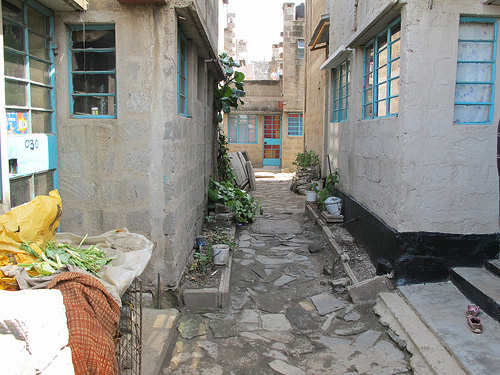
Kenya affordable housing has recently been misrepresented online, with images of a Nigerian estate falsely shared as part of this initiative. This misinformation highlights the importance of verifying sources in real estate news.
Understanding Kenya’s Affordable Housing Initiative
The Affordable Housing Initiative in Kenya has emerged as a pivotal strategy aimed at addressing the country’s housing deficit. Launched as part of the broader “Big Four Agenda,” this initiative seeks to provide quality housing at accessible prices for low- and middle-income families.
Key features of Kenya’s Affordable Housing Initiative include:
- Public-Private Partnerships: The program encourages collaboration between the government and private developers to ensure efficient execution and funding.
- Innovative Financing: Various financing mechanisms, including mortgage incentives, are being explored to make home ownership more attainable.
- Community Involvement: Local communities are engaged in the planning process to ensure that developments meet the actual needs of residents.
Despite its ambitious goals, challenges remain. Critics argue that the initiative may not sufficiently cater to the most vulnerable populations, raising concerns about affordability and access. Nonetheless, proponents believe that with proper implementation, Kenya’s affordable housing project could significantly improve living conditions for many citizens.
The Role of Misinformation in Real Estate
The landscape of real estate in Kenya is often marred by misinformation that can skew public perception and hinder genuine efforts like the affordable housing initiative. Recently, images of a Nigerian estate were incorrectly attributed to Kenya’s affordable housing project, causing confusion among potential buyers and investors.
This type of misinformation can have several effects:
- Public Distrust: When false information circulates, it erodes trust in government initiatives aimed at providing affordable housing.
- Investment Hesitation: Investors may shy away from funding projects if they perceive a lack of transparency or if they are misled by erroneous visual representations.
- Market Misvaluation: Misinformation can lead to inflated expectations, causing prices to rise and making affordable housing seem even less attainable for average Kenyans.
In a time when the need for affordable housing is critical, it is essential for both the government and the media to combat misinformation effectively. By ensuring that accurate information is disseminated, it can help reassure the public about the benefits and progress of Kenya’s affordable housing initiatives.
How to Identify Real Housing Projects
As the demand for affordable housing in Kenya continues to grow, distinguishing genuine projects from misleading information becomes increasingly vital. Here are some key points to help identify real housing projects:
- Verify Official Sources: Always check for announcements and updates from the government or reputable real estate developers. Authentic projects will often have official documentation and press releases.
- Site Visits: If possible, visit the construction sites. Genuine affordable housing projects in Kenya will have visible progress and ongoing construction activities.
- Community Feedback: Engage with local communities to gather insights. Residents often have firsthand knowledge about the projects and can share valuable information.
- Look for Transparency: A legitimate project will provide clear details about pricing, payment plans, and the timeline for completion. Be wary of vague information.
- Avoid Rushed Decisions: Scammers often create urgency to manipulate potential buyers. Take your time to research and evaluate options before committing.
By keeping these factors in mind, potential homeowners can better navigate the landscape of affordable housing in Kenya and avoid falling prey to misinformation.
The Impact of Social Media on Housing News
In recent years, the surge of social media platforms has significantly transformed the way housing news is disseminated and consumed. This shift has both positive and negative implications for initiatives like Kenya’s affordable housing project. On one hand, social media serves as a vital tool for raising awareness and sharing information about housing developments, allowing stakeholders to engage directly with the community.
However, the rapid spread of information can also lead to misinformation. A recent incident highlighted this issue when images of a Nigerian estate were erroneously shared as part of Kenya’s affordable housing project. Such misconceptions not only mislead potential homebuyers but also undermine public trust in genuine housing initiatives.
To navigate this complex landscape, it is essential for individuals to critically assess the sources of their information. Here are some tips for consumers:
- Verify Sources: Always check if the information comes from reputable news outlets or official government announcements.
- Engage with Experts: Follow real estate professionals and local authorities on social media for accurate updates.
- Cross-Reference: Look for the same news on multiple platforms to confirm its validity.
As the discourse surrounding Kenya’s affordable housing continues to evolve, staying informed and discerning is crucial for all stakeholders involved.
Fact-Checking: Nigerian Estate vs. Kenyan Project
The recent surge in interest surrounding Kenya’s affordable housing initiative has brought with it a wave of misinformation, particularly through social media. One of the most persistent claims involves images of a Nigerian estate being misattributed to Kenya’s housing project. These misleading visuals have sparked confusion among potential homeowners and investors.
To clarify the distinction, it is vital to consider several key points:
- Source Verification: Always check the origin of images and reports. The Nigerian estate in question has been linked to a different housing project entirely.
- Project Specifics: Kenya’s affordable housing initiative aims to provide quality homes at accessible prices, focusing on modern amenities and sustainable living.
- Community Impact: The Kenyan project emphasizes enhancing local communities, while the Nigerian estate serves a different demographic and context.
By relying on verified information, potential buyers and stakeholders can make informed decisions about Kenya’s affordable housing program, ensuring they are not swayed by false representations. Accurate information is crucial for the success and credibility of housing initiatives in the region.
Public Perception of Affordable Housing
Public perception of Kenya’s affordable housing initiative remains mixed, as many citizens express skepticism about its viability and execution. Several factors contribute to this sentiment, including a lack of transparency and ongoing misinformation campaigns that have muddied the waters surrounding the project.
Many Kenyans have taken to social media platforms to voice their concerns, leading to a growing debate over the actual benefits of the affordable housing scheme. Some common themes in public opinion include:
- Quality of Construction: There are worries that the buildings may not meet quality standards, which could jeopardize the safety and longevity of the structures.
- Accessibility: Critics argue that the housing units are still out of reach for the very low-income earners they aim to help.
- Transparency: A perceived lack of clear communication regarding project timelines and costs has led to distrust in the initiative.
Moreover, the recent incident where images of a Nigerian estate were mistakenly shared as part of Kenya’s affordable housing project has only amplified these doubts. As misinformation continues to spread, it becomes crucial for stakeholders involved in the initiative to actively engage with the public to rebuild trust and clarify misconceptions.
Government Initiatives for Housing in Kenya
The Kenyan government has made significant strides in addressing the housing crisis through various initiatives aimed at promoting affordable housing. With a growing population and increasing urbanization, the need for accessible housing has become a priority. The government has launched several programs designed to facilitate the construction of low-cost homes, ensuring that a larger segment of the population can achieve home ownership.
Key initiatives include:
- The Big Four Agenda: This strategic plan focuses on enhancing housing development among other economic pillars, emphasizing the construction of at least 500,000 affordable homes by 2022.
- Public-Private Partnerships: Collaborations with private developers aim to leverage resources and expertise, making affordable housing projects more viable and sustainable.
- National Housing Corporation: The government’s agency plays a crucial role in overseeing housing construction and providing guidelines to ensure quality and affordability.
Despite these efforts, challenges such as land acquisition and financing remain. Nevertheless, the commitment to enhance Kenya’s affordable housing sector reflects a broader vision of creating a more inclusive urban environment. As the government continues to push for these initiatives, the hope is that more Kenyans will benefit from affordable and decent living conditions.
Future of Housing Projects in Africa
The future of housing projects in Africa is a topic of increasing importance as urbanization continues to rise. With many countries facing housing shortages, initiatives like Kenya’s affordable housing project offer a glimmer of hope. However, the effectiveness and sustainability of these projects depend on various factors.
Many African nations are looking to emulate Kenya’s approach and develop their own affordable housing solutions. Key considerations in this expansion include:
- Funding and Investment: Adequate financial backing is essential to ensure these projects are not only initiated but also completed successfully.
- Infrastructure Development: Affordable housing must be complemented by proper infrastructure, including roads, schools, and healthcare facilities, to create viable communities.
- Community Engagement: Involving local communities in the planning process can lead to better acceptance and utilization of housing projects.
- Regulatory Framework: A robust legal and regulatory framework is crucial to protect both developers and residents from potential pitfalls.
As the continent seeks to address its housing crisis, initiatives like Kenya’s affordable housing project may serve as a model, but they must be adapted to local contexts to be truly effective.
Many experts argue that the Kenya affordable housing initiative could significantly alleviate the housing crisis in urban areas. However, critics question whether the Kenya affordable housing project truly meets the diverse needs of the population.
By Slum Dwellers International via Openverse
Read the original
You might also like
- Eco Hotels and Resorts: What Makes Them Worth Visiting?
- Mumbai Ahmedabad bullet train: Is it the best project ever?
- Gurugram luxury villa project: Best Proven Investment Opportunity